Insights
What matters in property
Expert knowledge on valuations, surveys, and the market
May 7, 2026
Japanese Knotweed in the Spotlight – Why Awareness Matters for Homeowners and Landlords
This morning, Japanese knotweed was featured on BBC Morning Live and RIP Off Britain, helping to shine a light on an issue that continues to affect homeowners, landlords, buyers and property professionals across the UK. It’s encouraging to see mainstream coverage raising awareness of the risks associated with invasive plants, particularly Japanese knotweed, and the...
Read more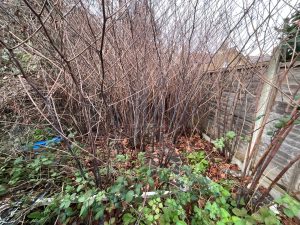
February 24, 2026
Would You Pay £350K for an Island? A Surveyor’s Take on Real Value
Like many in property, we love a quirky listing! But when an island near Portmeirion hit the headlines recently, it got us thinking seriously about value beyond the guide price.
Read more
February 5, 2026
How Is Property Valued for Divorce Settlements?
When couples divorce or separate, property is often the most valuable and emotionally charged asset to be divided.
Read more
January 28, 2026
Government Announces £250 Ground Rent Cap: Key Information for Leaseholders, Freeholders and Investors
In January 2026, the Government announced its intention to introduce a statutory £250 per year cap on ground rents for all existing residential long leases.
Read more
May 30, 2024
The Leasehold & Freehold Reform Act 2024
Since the Leasehold & Freehold Reform Act 2024 received Royal Assent, there has been little substantive progress in terms of implementation.
Read more
April 20, 2024
Repaying your help to buy loan on a flat with cladding
The help to buy scheme benefited thousands of homeowners, however there have been significant issues if you are one of the thousands of homeowners that bought a flat under the scheme that has been found to have unsafe cladding.
Read more
June 29, 2023
Damp and mould in your home
The tragic death of two-year-old Awaab Ishak, ruled by Rochale Coroner’s Court to be due to prolonged exposure to black mould in his home, has highlighted a problem that until now, largely gone under the radar. What is mould? Mould is a form of fungus and there are many types. Mould spores are everywhere at all times and just need the...
Read more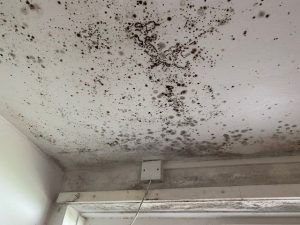
December 6, 2022
Independent Damp and Timber Surveys
Why pay for an independent damp survey? “I’ve had quotes for hundreds here and thousands there… who do I trust?” “Do I really need a damp course installed?” These are just a couple of the questions we are asked daily. So why should you pay for an independent survey? Quite simply, we have no affiliation...
Read more
September 30, 2022
Benefits of a New Build Snagging Survey
Why a Snagging Survey is Important When purchasing a new build home, you naturally expect everything to be perfect. However, according to the New Home Customer Satisfaction survey, 94% of buyers in 2021 reported snags or defects to their builder. A snagging survey is designed to identify any issues, ranging from cosmetic to structural, so the developer can rectify...
Read more
September 1, 2022
What Type of Survey do I Need?
The type of house survey you need will largely depend on the age, construction and condition of the property you are buying or selling. Choosing the right survey helps highlight any serious issues and alerts you to specific risks before you commit. Below, we outline the main types of surveys and when they are most appropriate. New Build Snagging Surveys ...
Read more
June 16, 2022
Down Valuations – Do They Really Exist?
What Is a “Down Valuation”? A “down valuation” occurs when a valuation report states that a property is worth less than the agreed price between the buyer and seller. It’s not a term many surveyors like to use, because what’s labelled a “down valuation” is usually just the difference between the seller’s expectation and the property’s true market value. Why Do Perceived Down Valuations...
Read more
May 27, 2022
How Can I Extend My Lease?
Extending the lease on your property can significantly increase its value, particularly if you are planning to sell or remortgage. There are two main routes available when extending a lease: Formal Lease Extensions and Informal Lease Extensions. Below, our experienced team explains the key differences between the two and what you need to know before proceeding....
Read more
April 29, 2022
EWS1 Forms – What you need to know
Do You Live in a Flat or Apartment? Understand EWS1 forms and Valuations If you live in a flat or apartment and require a valuation—whether for Help to Buy, Housing Association purposes, Staircasing, a Mortgage Valuation, or any other reason—it is important that you are aware of a document known as an EWS1 form. What This Article...
Read more
October 26, 2021
Nil Valuations
Could Your Home Be Impacted by a Nil Valuation? Are you selling a house with Spray Foam in the loft, Japanese knotweed in the garden, or an apartment in a building with safety issues? If your buyer’s mortgage valuation comes back as zero, don’t panic. A nil valuation doesn’t mean your property is worthless. Far from it. Instead, it usually indicates that the...
Read more
October 6, 2021
Staircasing – how to own more of your shared home
To buy a shared ownership property, according to gov.uk, both of the following must apply your household income is £80,000 a year or less (£90,000 a year or less in London) you cannot afford all of the deposit and mortgage payments for a home that meets your need And one of the following must be true: You’re a first-time buyer ...
Read more
September 13, 2020
Selling your leasehold property with a short lease
I want to sell my leasehold property but I only have a short lease, what are my options? If you are in the position that you own a leasehold property (usually a flat / apartment or maisonette) and only have a short lease remaining your property is likely to be un-mortgageable and you will have...
Read more
February 23, 2020
What is dampness?
Is your home damp? Don’t know what’s causing it? Dampness in buildings is a very common complaint and one that as surveyors we are faced with on a daily basis, there are usually many causes of dampness and rarely is there a ‘quick fix’ solution. So when we came across this excellent video from our...
Read more
November 12, 2019
Help to Buy Valuations
We are pleased to announce that our specialist website www.getvaluation.co.uk is now live where you can get an accurate help to buy valuation For more information on help to buy please click here for more information
Read more
May 29, 2019
Our guide to a freehold purchase
Have you just brought your property on a leasehold basis? Or maybe you’re looking to gain more control over your home? In the long run, this process can help you gain control of your property, save yourself money on the financial costs and increase the saleability, especially if your lease is running short. Should you...
Read more
May 21, 2019
Property values dropping because of Japanese knotweed
Japanese knotweed is an invasive plant that is known for the damage it can cause to homes, businesses and gardens. It’s bamboo style stem and roots will destroy all other plants in its surroundings by depriving them of their key nutrients. The roots can also cause damage to buildings and their foundations, but how true...
Read more
April 9, 2019
Is your building properly insured?
Whether you own a single property or have a vast portfolio, ensuring you have the correct insurance cover for your building is imperative. For private sector landlords, insurance is a necessary business requirement. You may find that your rented properties are at a higher risk than the home you live in. As the tenants do...
Read more
March 25, 2019
Buying a Leasehold Property: Need-to-Know
One significant decision you’ll make when purchasing a home is whether to purchase a freehold or leasehold property. Freehold means you’ll own the property and land outright, whereas leasehold means you’ll ‘lease’ the property from a freeholder. It’s imperative that you understand what’s involved with a leasehold property before your purchase. Don’t make the same...
Read more
March 14, 2019
What is a Section 42 Notice?
A Section 42 Notice is a formal request from a leaseholder to the freeholder or landlord (or both) and any other appropriate party to extend their lease on a property. This provides a leaseholder with an extension of 90 years on top of the remaining lease term and a ground rent reduced to zero. With...
Read more